

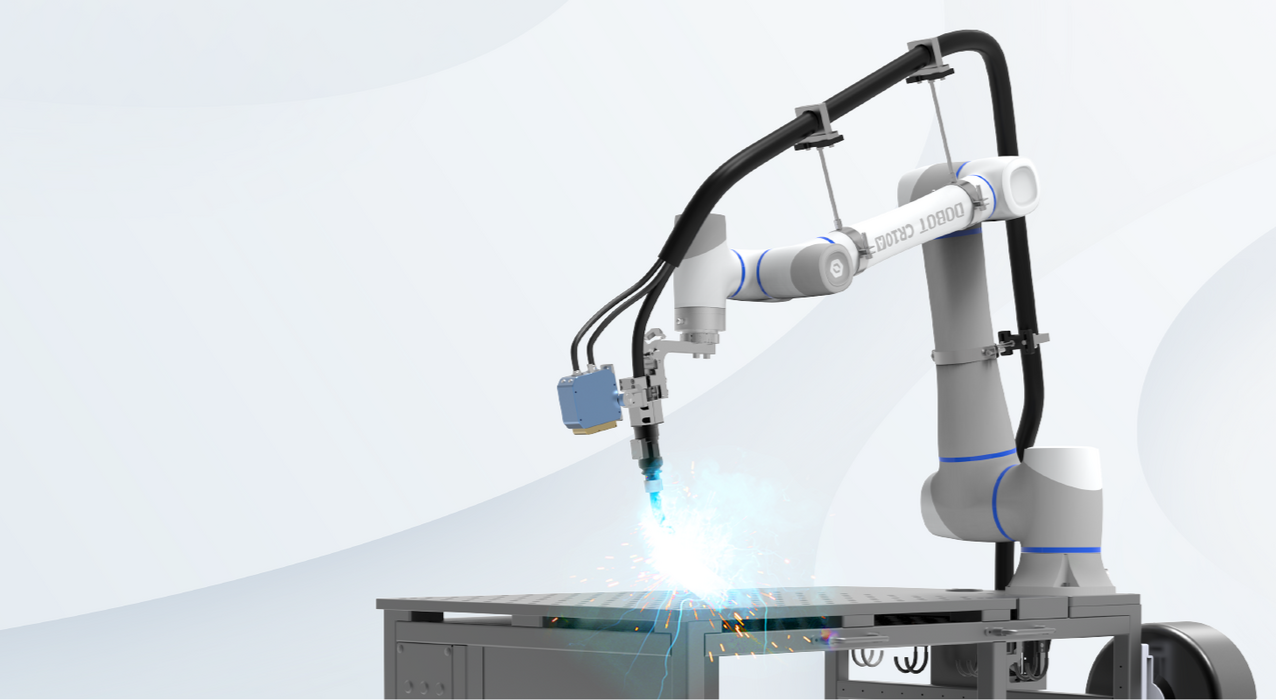
Manufacturing is evolving from isolated robotic cells to shared workspaces where humans and machines collaborate without barriers. Unlike traditional industrial robots operating behind safety cages, collaborative robots integrate seamlessly into existing workflows. Technologies like cobot welding enable operators to work alongside robotic systems while maintaining quality and safety. DOBOT’s CR series represents this shift, offering manufacturers practical automation without reorganizing facilities or workforce.
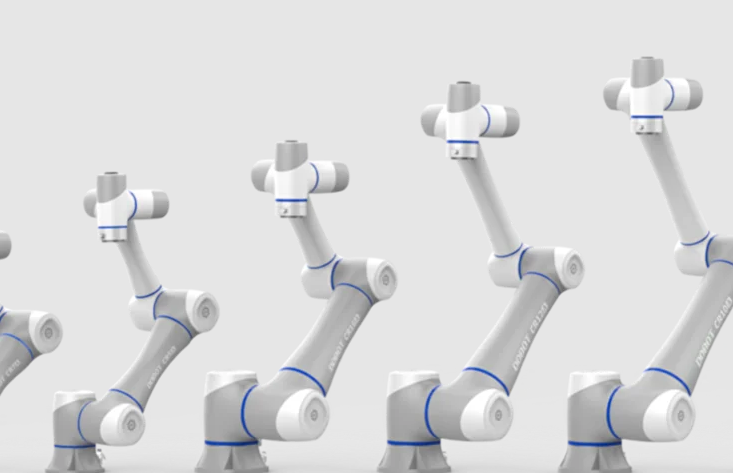
Safety Architecture for Human Proximity
Modern cobots solve the fundamental challenge of operating powerful machinery within arm’s reach of people through multiple protection layers:
- Force-limiting sensors. Torque sensors in each joint monitor applied force continuously, stopping immediately upon unexpected resistance from workpieces or human contact.
- Proximity-based speed control. Sensor arrays adjust operating speed based on human distance—full velocity when alone, slowing as workers approach, stopping when someone enters the work envelope.
- Rounded geometry design. Smooth surfaces minimize injury risk during accidental contact, transforming safety from barrier-dependent to inherently safe systems.
- Power limitation protocols. Strictly defined parameters prevent dangerous force levels, ensuring the cobot cannot cause serious injury even at maximum output.
This safety framework eliminates protective barriers in most applications, creating space-efficient layouts with greater flexibility. Insurance providers now offer reduced premiums for facilities deploying certified collaborative robots.
Intuitive Programming Revolution
DOBOT democratizes robot programming, putting automation control in production staff hands rather than exclusively IT departments:
- Drag-to-teach functionality. Operators physically guide the cobot through desired motions, creating functional programs in minutes without coding knowledge.
- Graphical interfaces. Visual flowchart-style programming connects pre-built function blocks, making complex sequences accessible to anyone comfortable with basic logic.
- Template libraries. Pre-configured programs for welding patterns, material handling, and assembly serve as customizable starting points, reducing programming time from hours to minutes.
This accessibility enables small manufacturers to implement sophisticated systems without dedicated engineers, while larger facilities empower production staff to optimize processes independently.
Practical Applications Delivering Results
DOBOT cobots excel in variable, low-to-medium volume production where flexibility matters as much as speed:
- Adaptive welding. CR series handles inconsistent seams and varying materials by combining robot precision with operator judgment, eliminating repetitive strain without sacrificing adaptability.
- Machine tending flexibility. Mobile platforms reposition quickly between equipment based on production priorities, transforming cobots into shared resources serving multiple processes.
- Complex assembly. Cobots handle precise component placement while humans perform operations requiring dexterity, maintaining throughput while preserving quality.
A furniture manufacturer integrated DOBOT welding cobots for monotonous straight seams while skilled welders focused on complex joints—improving satisfaction, retention, and output simultaneously.
The collaborative approach addresses manufacturing’s skilled labor shortage by making careers more attractive while allowing experienced workers to apply expertise strategically. As manufacturing evolves toward customization and shorter product lifecycles, cobot flexibility becomes essential for competitive success. For organizations exploring these possibilities, company Quant Robotics (https://quant-robotics.com/) provides comprehensive support from assessment through optimization, ensuring collaborative automation delivers measurable returns while enhancing existing operations. The future of manufacturing is humans and robots working together, each contributing unique capabilities to achieve outcomes neither could accomplish alone.